

Best known as the founders of the Ball Glass Manufacturing Company, the five Ball brothers each played a significant role in shaping Muncie, Indiana. The family’s generous investments contributed to the city’s culture and growth.
“The Ball brothers and their families left a lasting impression on the Muncie community, creating philanthropic organizations (like Ball Brothers Foundation and George and Frances Ball Foundation), an educational institution (Ball State University), and the year-round gathering place of Minnetrista,” according to Minnetrista Museum & Gardens.
Lucius L. Ball
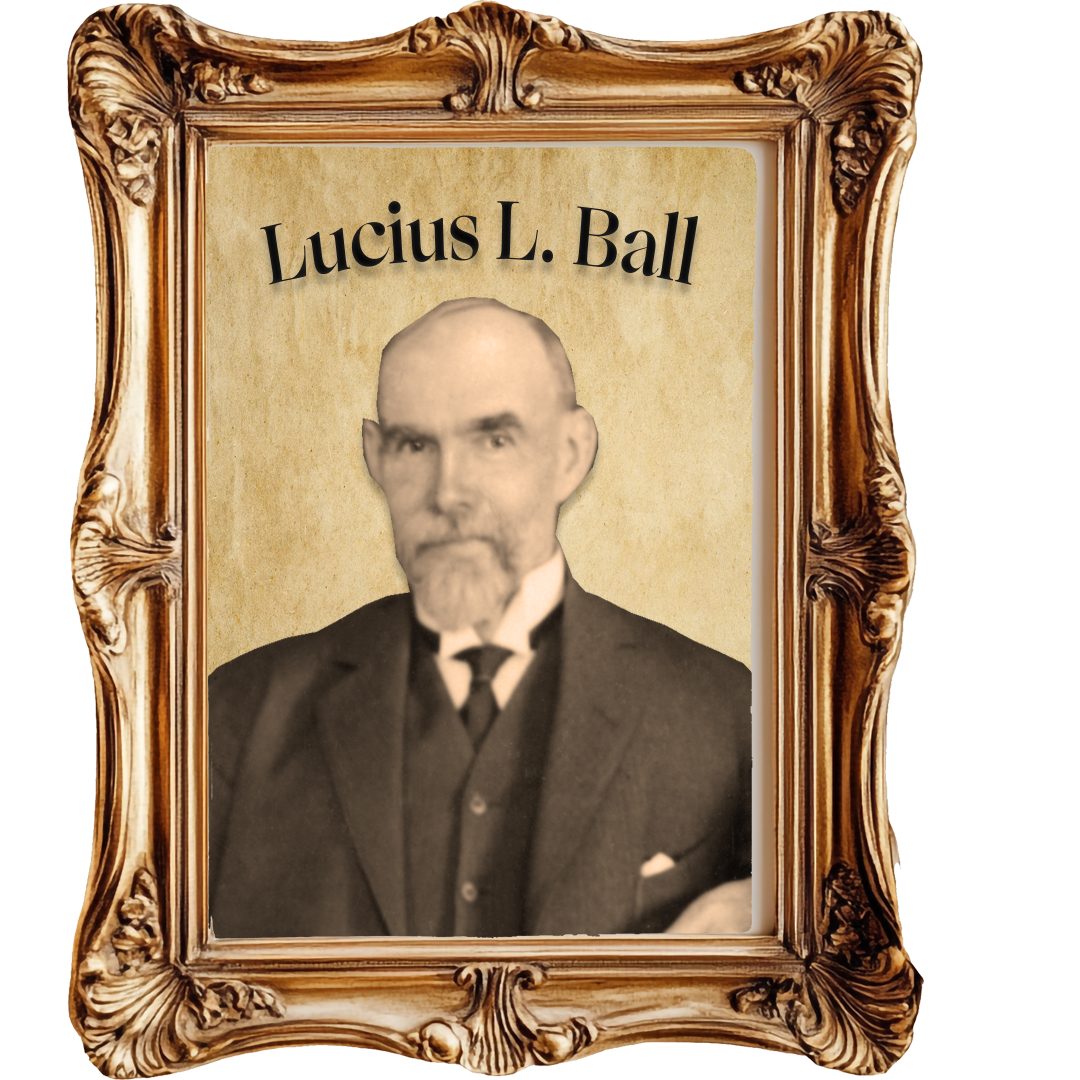
The oldest of the Ball brothers, Lucius L. Ball, was born March 29, 1850, in Greensburg, Ohio, to parents Lucius Styles Ball and Maria Polly Bingham Ball. Lucius grew up in Ohio before the family moved to upstate New York, where he attended Canandaigua Academy along with his brothers.
After making sure his younger siblings had received their own education, Lucius studied medicine and fulfilled his lifelong ambition to become a physician at age 40.
“He was a quiet, thoughtful, compassionate man with a shy sense of humor,” according to The Ball Corporation.
William C. Ball
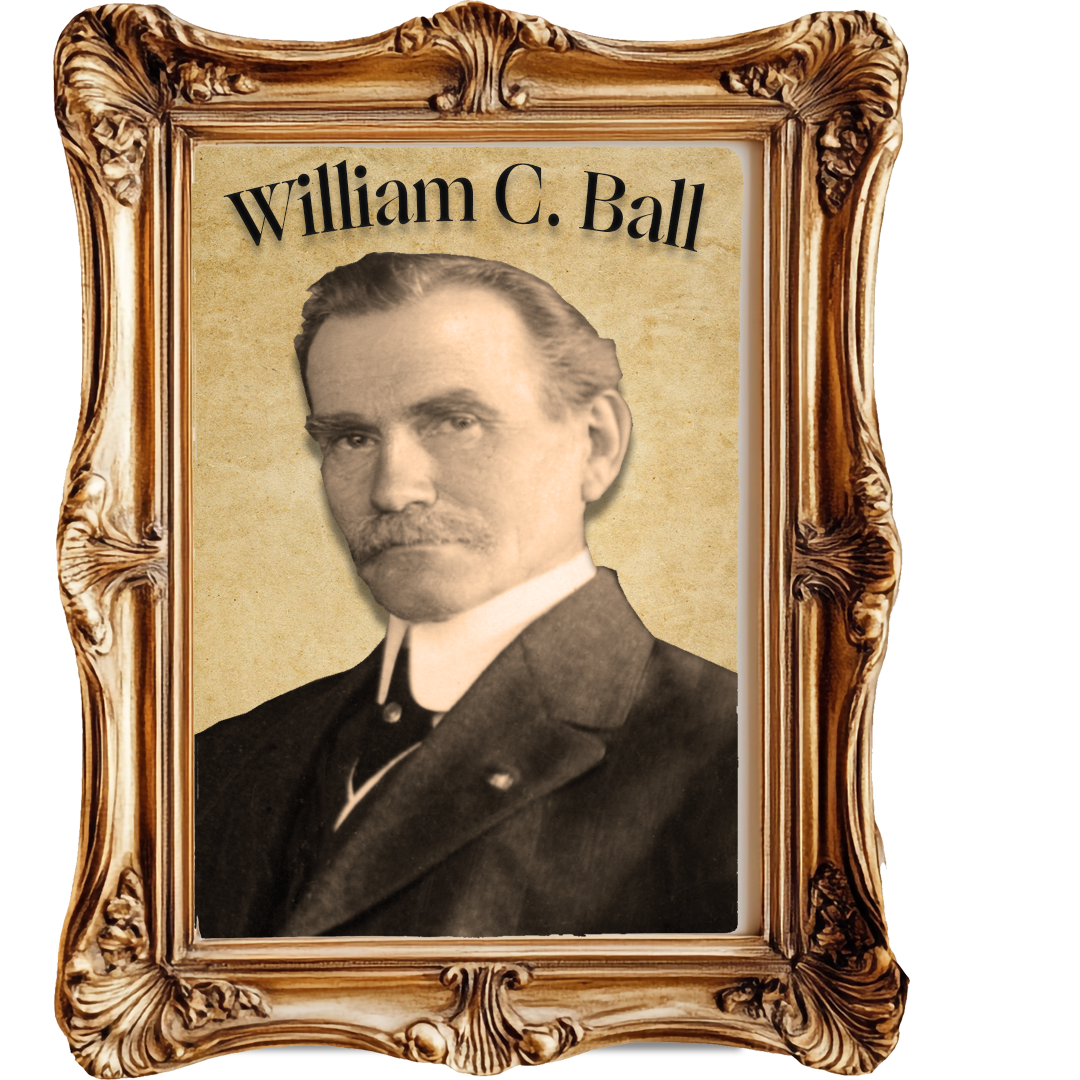
William C. Ball was born Aug. 13, 1852, in Trumbull County, Ohio. He grew up alongside his brothers in upstate New York, where he, too, attended Canandaigua Academy.
William moved to Muncie in 1897, joining the Ball Brothers’ manufacturing company as a salesman, later working as the corporation’s secretary until his death at age 69.
“William had a reputation of being a tremendously effective salesman,” according to The Ball Corporation.
Edmund B. Ball
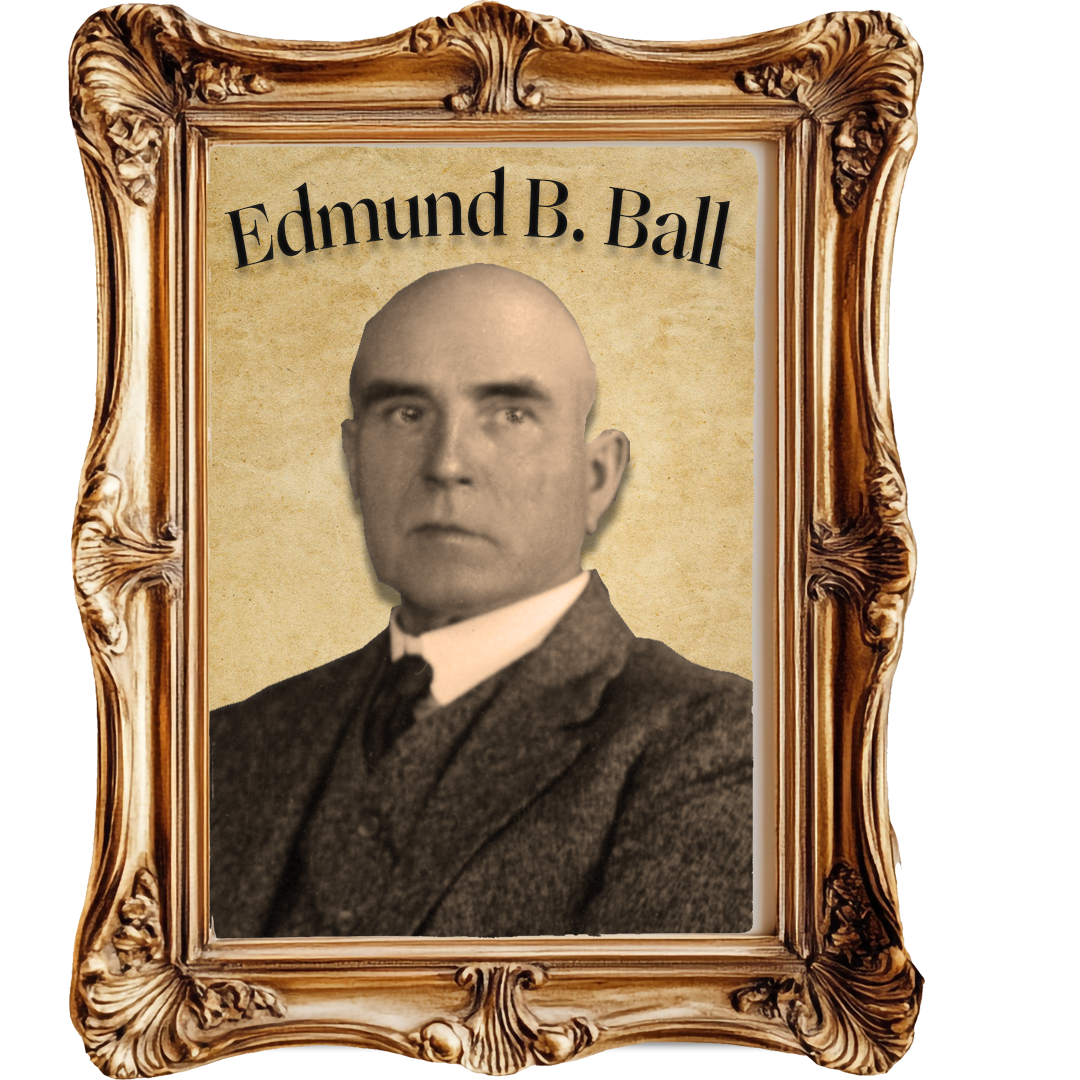
Cofounder of the Ball manufacturing company, Edmund B. Ball was born on Oct. 27, 1855, in Greensburg, Ohio. Edmund grew up in upstate New York and attended Canandaigua Academy with his brothers.
According to the Ball Corporation, the company started from a $200 loan, roughly $7,000 today, from Edmund’s uncle, which he then used to buy the company. He served as the secretary and treasurer of the Ball Brothers Glass Manufacturing Company.
“Ed was well-liked by plant employees, who once presented him with a gold pocket watch in appreciation for his efforts,” according to The Ball Corporation.
Frank C. Ball

Cofounder of the Ball manufacturing company, Frank C. Ball was born on Nov. 24, 1857, in Greensburg, Ohio. He grew up in upstate New York along with his brothers, attending Canandaigua Academy with them as well.
Frank was a salesman for the Wooden Jacket Can Company, which would later become the Ball Corporation. According to the Ball Corporation, he served as the company’s first president and held the position for 63 years.
George A. Ball

The youngest of the Ball brothers, George A. Ball, was born on November 5, 1862, in Greensburg, Ohio. He grew up alongside his brothers in upstate New York, where he attended Canandaigua Academy.
George joined the family business in 1883 at age 21. He worked first as a bookkeeper, later going on to become the corporation’s secretary, treasurer, vice president, president, and board chairman.
“He served on the boards of numerous organizations, including Borg-Warner Corporation, Nickel Plate Railroad, various banks, Indiana University, Ball State Teachers College (today, Ball State University) and Ball Memorial Hospital.
Ball State University would not be where it is today without the support of the Ball Brothers. The university began as a small, private teacher training school in 1899.
“After the community’s efforts to sustain the college failed, the Ball brothers purchased the land and buildings of the defunct institution and donated them to the State of Indiana,” according to Ball State University.
This gift allowed the state to shape the school to fit its needs for more and better teachers. As the school grew, more majors such as business and architecture were added.
The school was officially named Ball State University in 1965 by the Indiana General Assembly, “acknowledging its phenomenal growth in enrollment and facilities, the variety and quality of its educational programs and services, and the anticipation of the broader role it would play in the state’s future.”
Ultimately, the Ball Brothers’ contributions laid the foundation for an institution whose influence reaches far beyond its origins, embodying their enduring commitment to education and community.
Contact Maggie Kilgallon via email at maggie.kilgallon@bsu.edu.