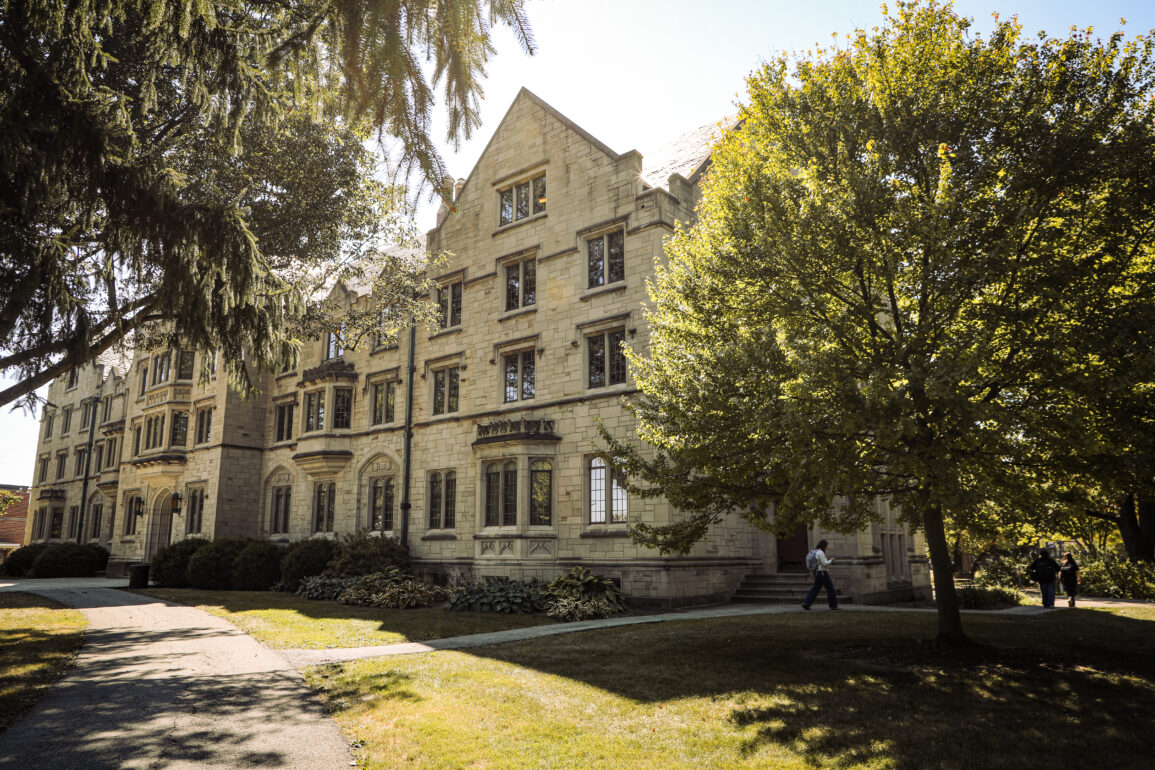
In the lobby of Elliott Hall, illuminated by a dim overhead lamp, sits a lone portrait of Frank E. Ball. Crimson walls surround the painting, glowing under the room’s ornate white molding. The lobby’s original 1940s furniture sits in near-perfect condition. Everything remains exactly as it was, except for the students.
Around Ball State’s campus, the stories about Elliott Hall never seem to fade. Students trade whispers of ghosts, echoing traditions and long-told rumors. But behind the lore lies a different story, one rooted not in hauntings but in history and community. Elliott Hall was something simpler, a cornerstone of campus life, built to house generations of Cardinals with roots that trace back to when Ball State was still defining its identity.
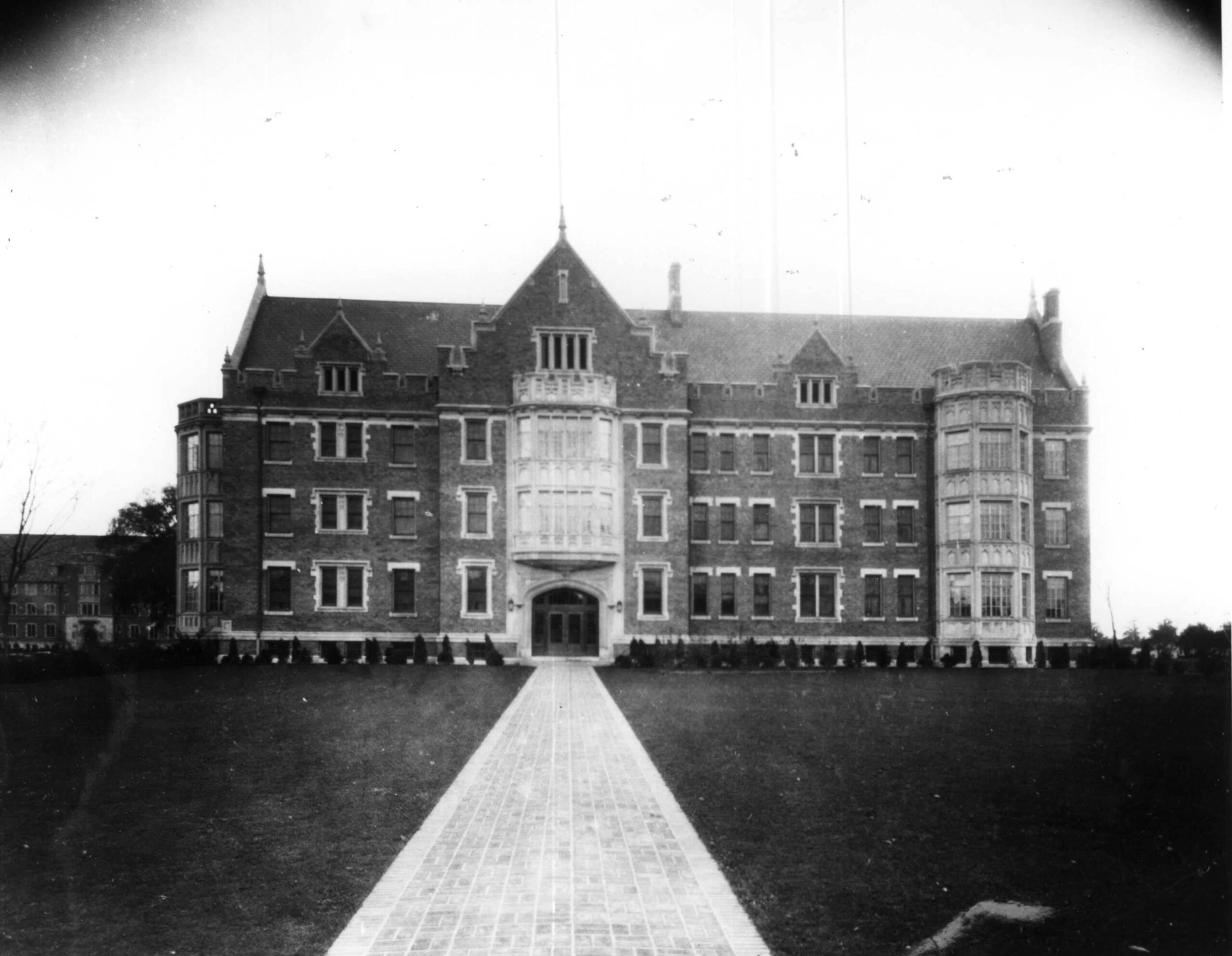
Frank Elliott Ball Hall, later shortened to Elliott Hall, opened in 1938 as a men’s dormitory on campus. The hall was named after Frank E. Ball, the assistant treasurer of the Ball Brothers Company, after his unexpected death in 1936. Frank was the son of Frank C. Ball, the company’s president. Frank Sr. and the rest of the Ball family funded Elliott Hall’s construction as a memorial. Built in a Tudor-Gothic style, the hall was inspired by the design of Frank Jr.’s former college dorm at Princeton University.
While Elliott opened as an all-male dorm, its use would shift over time. During World War II, Elliott housed female students and nursing trainees as school enrollment dropped overall, reflecting the United States’ entrance into World War II. Upon the war’s ending, Elliott reverted to an all-male dorm, but post-war enrollment growth placed the university in a housing crisis.
In 1947, a decade after the halls’ opening, Elliott Annex, a wood-frame barracks-style housing unit, was built behind the hall, holding about 64 total students. The annex primarily served veterans during the GI-Bill boom, but was torn down in 1960 once larger dorms were built. Apart from the annex, Elliott Hall has seen no large-scale expansions. The hall has also avoided any major renovations, preserving the exterior and interior woodwork.
After a brief closure around the early 70s, Elliott Hall reopened as a coed residence for seniors, with men and women on alternating floors. This was Ball State’s first coed dorm. The hall remained coed throughout the rest of its time in operation, housing approximately 120 students when at maximum capacity.
Elliott Dining, an all-you-can-eat buffet dining facility, existed in the basement of the hall. During a time when resident halls had designated dining halls, Elliott Dining was catered specifically to the small group of residents.
The dining space would eventually move into the Eliott Wagner building, located behind the residence hall. The facility has since been repurposed as the University’s Office of Risk Management. In the late 1980s, Ball State’s Indiana Academy for Science, Mathematics, and Humanities moved into the basement of Elliott Hall. This resulted in a repurposing of the space for office use. Through the COVID-19 pandemic, Elliott housed quarantined students. However, upon the opening of North Hall, now named Beyerl Hall, in 2020, Elliott was no longer needed as on-campus housing.
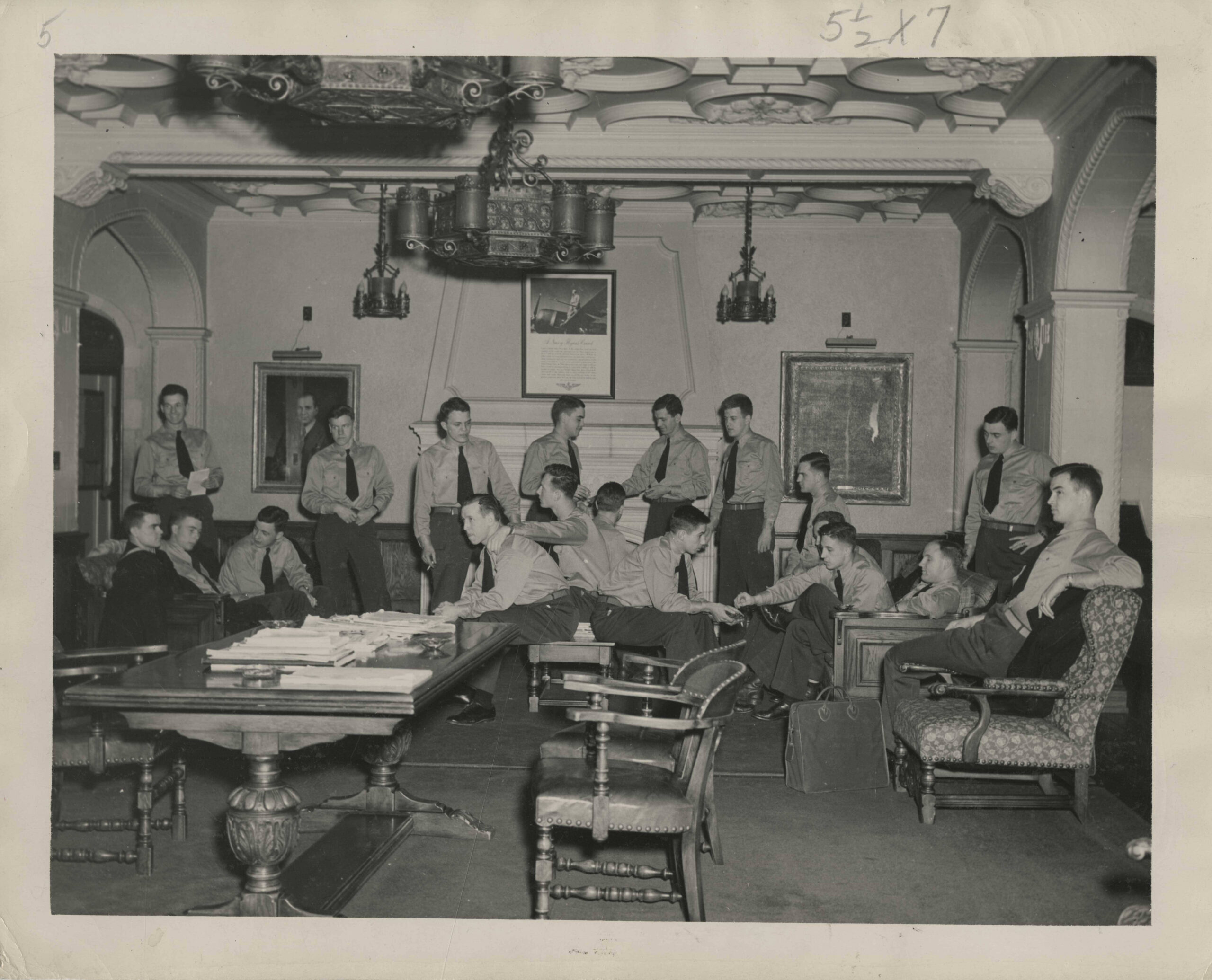
Marissa Thompson thought someone had put a castle on campus when she first saw Elliott Hall during her sophomore year at Ball State. Though she’d never heard of the building tucked away by Beneficence, she was thrilled to be offered a resident assistant (RA) position in the hall.
Marissa quickly found her place on campus after moving into Elliott. She described the hall’s culture and environment as “eccentric,” drawing in all kinds of students with various backgrounds and interests.
From aspiring art students to former service members, the students who came into Elliott Hall made for an eclectic group. This was one of Marissa’s favorite parts of her job as an RA.
“It’s like Elliott just transported you somewhere completely different than anything that you had ever seen before,” Marissa said.
Marissa worked as the female RA on the third floor at Elliott Hall for three years. With a limited number of students at Elliott, each floor required only one RA.
She still remembers her unique introduction to the male RA on the floor below her, Kyle Thompson.
Marissa said, “It was kind of funny, because he opened up his door with the director there, and he was just in his underwear. That was it.”
Kyle, a student-athlete studying business at Ball State, quickly became one of Marissa’s best friends while they worked together at Elliott. And eventually, after the two had graduated, that friendship turned into something more.
Marissa and Kyle have now been happily married for 15 years and have three children together.
“We absolutely loved Elliott. It made Ball State for us,” Marissa said.
For their 15th wedding anniversary, Marissa and Kyle returned to Elliott, where they found scrapbooks on the fourth floor containing photos from their RA days.
“It was definitely a walk down memory lane,” Marissa said. “… If you get an opportunity to go to and see Elliott, take it, because [in] Elliott, it’s like walking into a time capsule.”
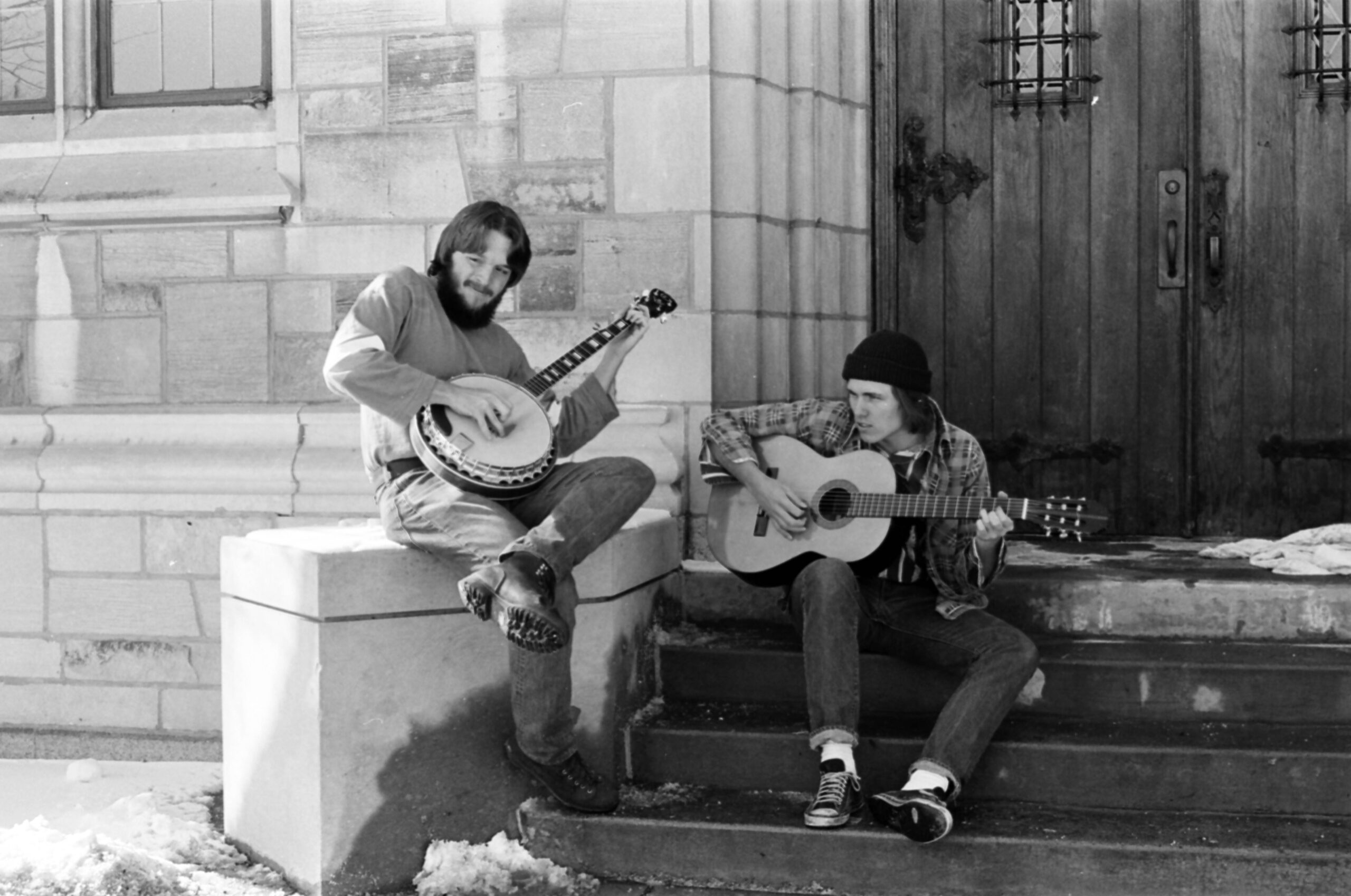
For those who lived there, Elliott Hall was never just a building. It was where friendships formed over card games, traditions brought floors together and people met to build lives together.

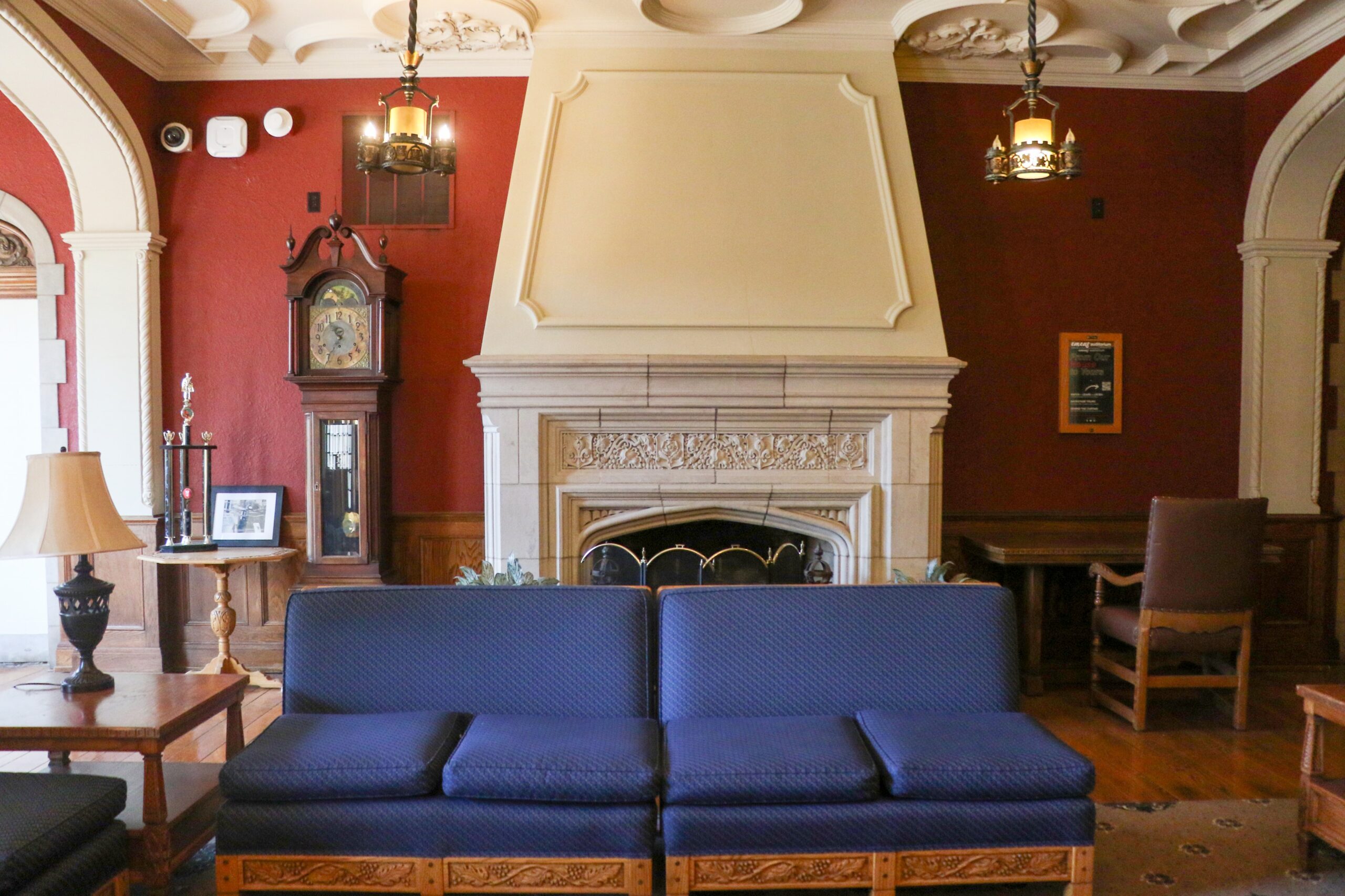
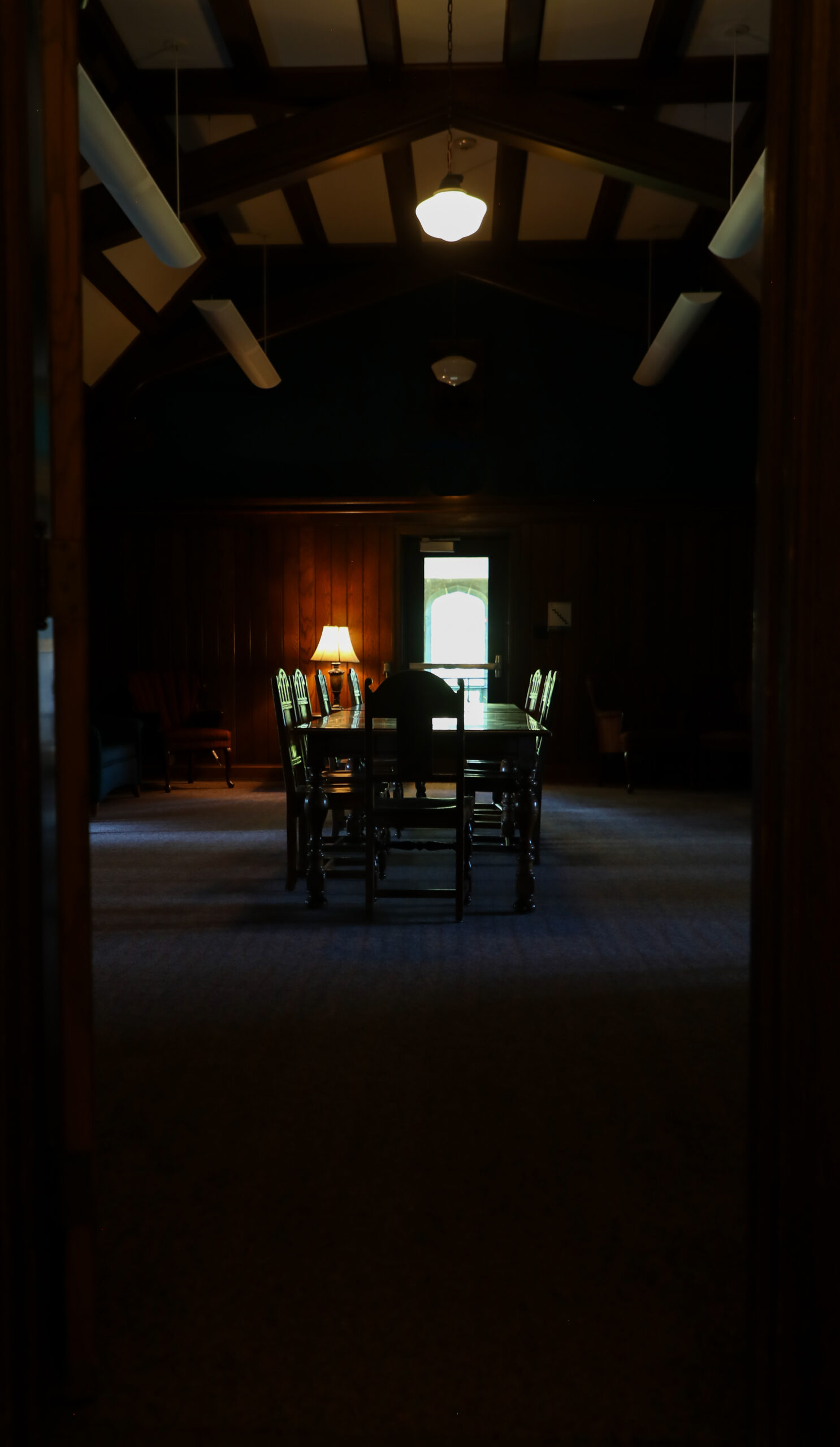
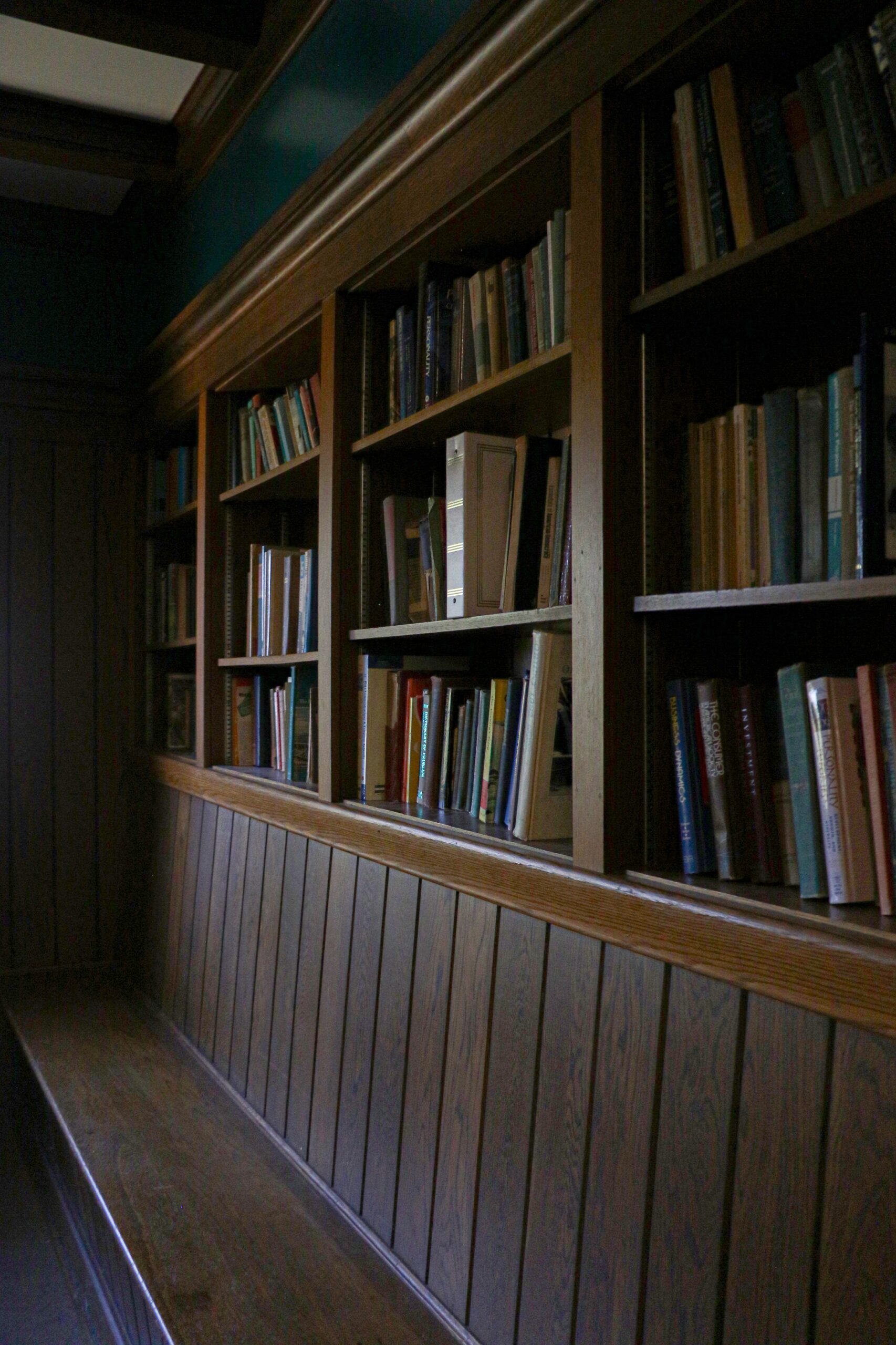
Former resident Jaimee Barr graduated from Ball State in 2017 and lived in Elliott during her last year of school. She remembers the dorm as a hub where everyone supported one another.
“It was the best residential community I ever had the privilege of living in,” Jaimee said. “There was always something going on in the first-floor lobby or the second-floor study lounge, or even outside when the weather was warm.”
Jaimee said Elliott’s small size helped people form close bonds. During her time at the hall, the Transfer Living-Learning Community (LLC) was located within Elliott.
As Academic Peer Mentor for the LLC, Jaimee ran programs designed to connect transfer students to the wider campus. At Ball State, LLCs place students amongst others in the same field of interest and provide them access to LLC-exclusive experiences like peer mentoring, resource rooms, makerspaces and other major-specific experiences.
She said Elliott felt like home, recalling everyday comforts and rituals that provided her with a “different residential experience.” These small moments, Jaimee said, were central to the hall’s identity and long-standing traditions.
“I spent a lot of time in my room by myself with the door closed during my first three years on campus, but the culture in Elliott encouraged me to spend more time in common areas of the building,” Jaimee said.
Events like homecoming and volleyball tournaments brought the students living in Elliott Hall together. Traditions such as putting together the annual haunted house on the fourth floor of Elliott bonded the students who lived there together.
Halloween brought forth Elliott’s most signature tradition: an elaborate fourth-floor haunted house that charged admission for charity.
“Elliott was really big on Halloween,” Marissa said. “…We carry [the tradition] on with our kids now — we decorate our whole front yard. Halloween is huge for us as a family; it really connected my husband and I because we had a lot of fun memories [in Elliott].”
The Hall became a hub for tradition as students grilled on the hall’s back patio, perched on its ledges and shared stories that blurred the lines between myth and memory. Staff, students and administration agree that Elliott Hall now stands as a memento of the early times at the university.
As of now, nothing is slated to change with the historic building.
“There are no current plans for Elliott Hall beyond housing the administrative offices of the Indiana Academy,” said Vice President of Student Affairs, Ro-Anne Royer Engle.
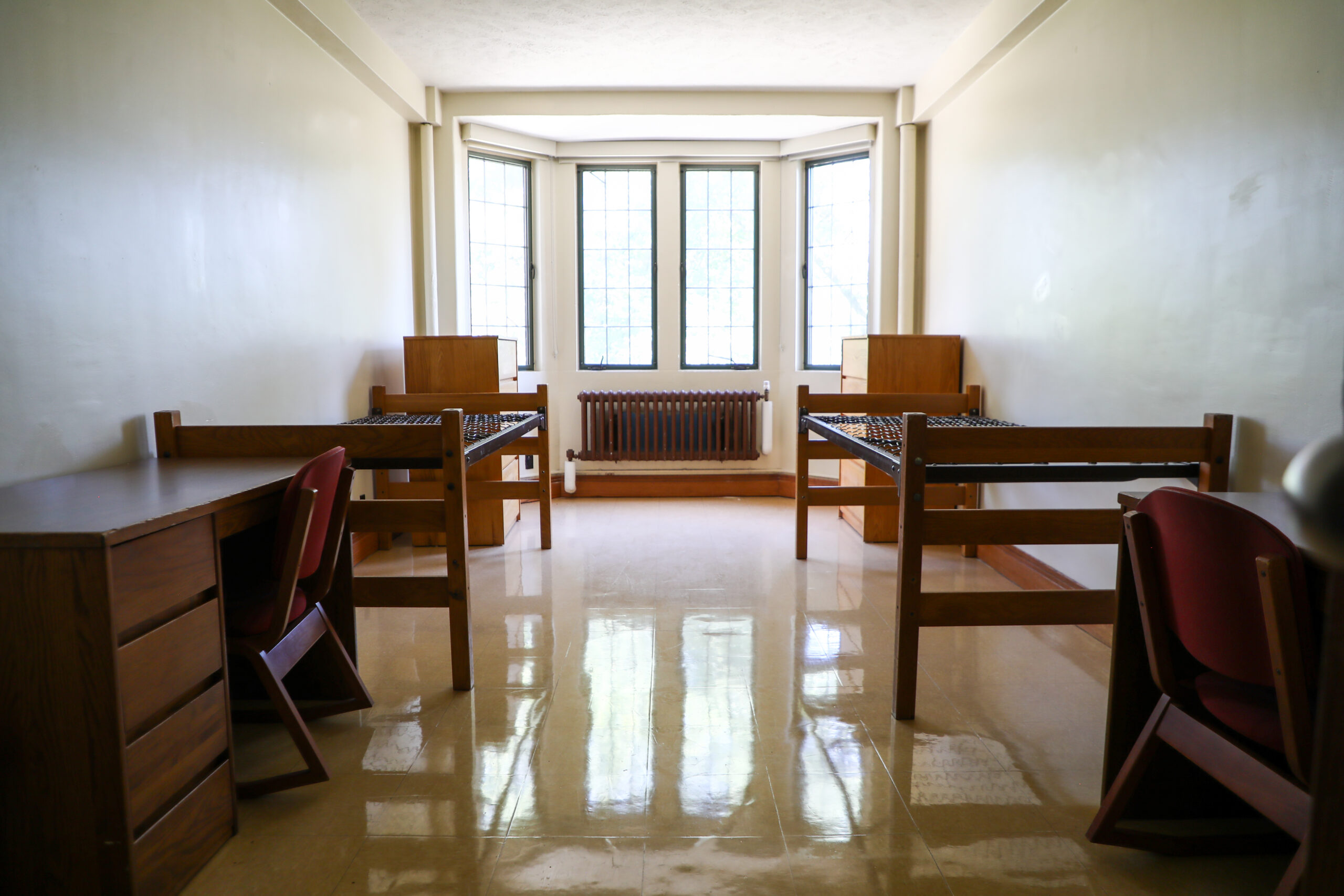
Today, Elliott sits silent. Rooms still have their bay windows, and the fourth-floor library still holds its books. Although the dorm no longer houses students, it resides in the memories of those who called it home and in the stories Cardinals continue to tell.
“Ball State has a lot of history that I hope all the students get to experience,” Marissa said. “It’s not just these modern, beautiful buildings. I hope they can appreciate those old stories and those old memories.”
The next time you take a stroll through Ball State’s campus, don’t forget to explore beyond The Quad. Just past Beneficence stands the formidable Elliott Hall, an embodiment of Ball State’s long and luminous legacy.
This article is a part of Ball Bearings Fall 2025 magazine: The Archival Edition. Read more stories online at ballbearingsmag.com and pick up the print edition of the magazine across Ball State’s campus now.